Skin & Appearance
Do Cellulite Creams Work? What the Ingredients Really Do
By CelluFix
· 5 min read
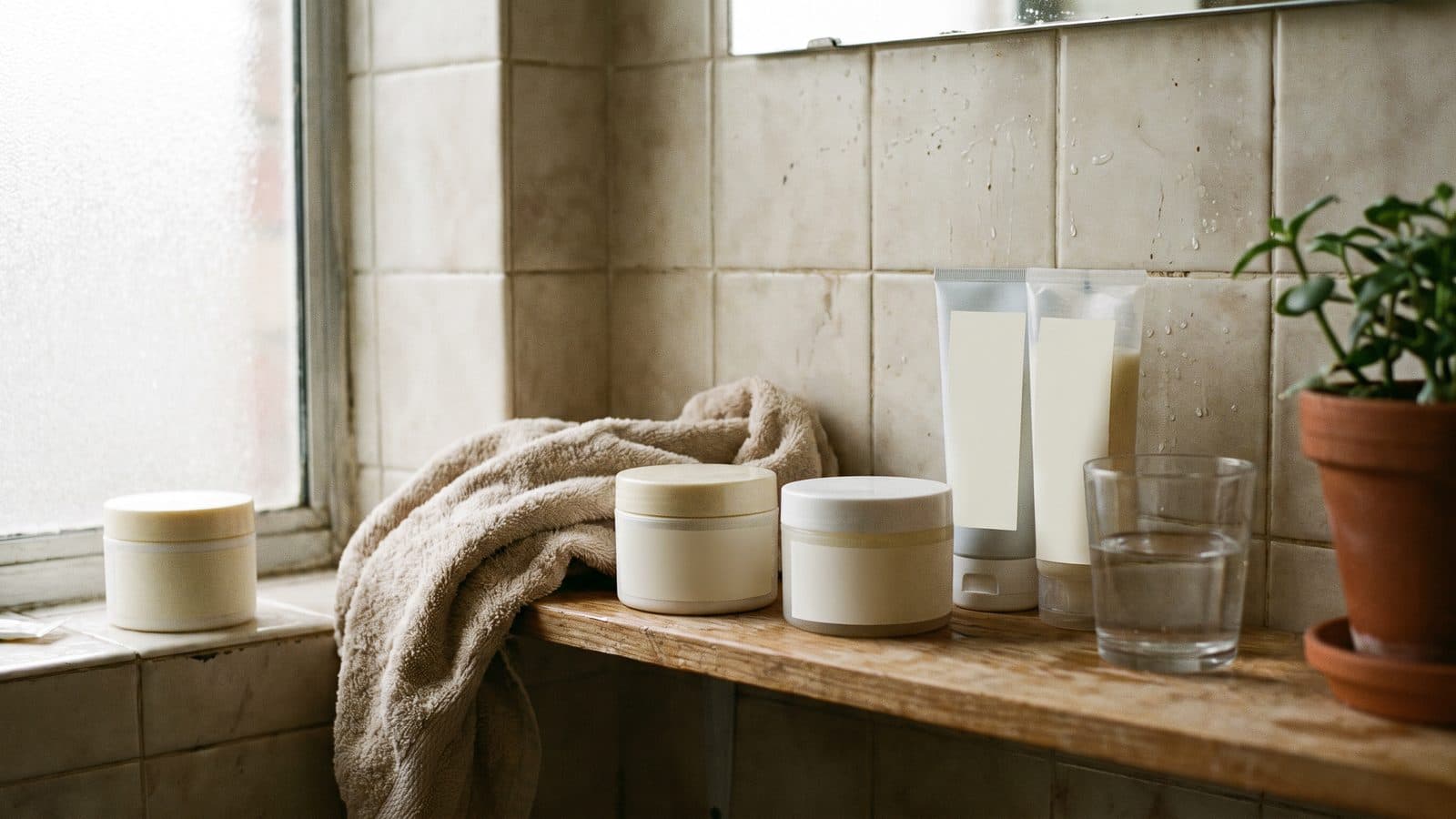
Do cellulite creams work? Short version: they can make skin feel nice and look a little smoother for a few hours, but not one of them touches what actually causes the dimpled look. Here's what the ingredients really do, and how to read the bottle without getting misled.
Do cellulite creams work? What they can genuinely do
A good cream is, at heart, a good moisturiser. Caffeine, retinol, a plant extract or two: these can hydrate the skin, plump the surface a little, and briefly even out the texture. The effect is genuine. It just lives at the surface and fades within hours to days.
What creams cannot do
Cellulite forms below the skin, in the layer where connective-tissue bands and fat meet. A lotion sitting on top never reaches that far down, so it can't change the structure underneath. That's not a marketing failure so much as basic anatomy. Be wary of any label that hints otherwise.
How to read the claims on the label
Cosmetic marketing is only loosely regulated, so a confident-sounding phrase can sit on top of a very small effect. Here is a rough translation:
| What the label says | What it usually means |
|---|---|
| "Firms and tones" | Temporary tightening or hydration you can feel for a few hours |
| "Targets the look of dimples" | Makes the surface look briefly more even |
| "Backed by studies" | Often small, short, or measuring skin right after application |
| "Visible difference" | A real but short-lived surface effect, not a lasting change |
A fair way to think about creams
None of this makes creams a scam. If a lotion feels good and you love the little ritual, that's a perfectly good reason to keep using it. The trouble starts only when a bottle gets sold as the answer to something a surface product was never built to change. Buy it for how it feels, not for what it promises.
Where lasting change actually comes from
If you want change you can see over months rather than hours, the lever sits under the skin: muscle and circulation. Regular movement builds tone that no cream can, and it's the whole approach the CelluFix program is built around. It's slower than a jar on the shelf and less glamorous, but a good deal more honest about what it can and can't do. For the structure a cream never reaches, see what cellulite actually is; to see what a movement plan would look like for you, take the 2-minute quiz.
Common questions
Do cellulite creams actually work?
Not on the thing that causes the dimpled look. As moisturisers they can hydrate and briefly plump the surface, so skin may look a little smoother and more even for a few hours. But cellulite forms in the connective tissue and fat below the skin, and a cream applied on top cannot reach that layer, so the appearance returns once the effect fades. Read them as a nice moisturiser, not a solution.
Do firming creams work at all?
They work as moisturisers. Caffeine or retinol can hydrate and briefly plump the skin, so the surface may look a little more even for a short while. They do not reach or change the tissue beneath, which is where the dimpled look comes from.
Why do creams sound so scientific?
Cosmetic marketing is not held to the same standard as medicine. Impressive-sounding phrases are often based on small, short studies, or on how skin looks minutes after you apply the product. It helps to read the fine print and treat big claims with healthy scepticism.
Should I stop using my cream?
Not unless you want to. A moisturiser you enjoy is a fine part of a routine. Just choose it for how it feels on your skin, and put your energy for real change into movement and consistency.
Keep reading

Skin & Appearance
Cellulite on Thighs: Why It Shows There and What Helps the Look
Cellulite on thighs is normal and mostly structural. An estimated 80–90% of women have it. Here is why the thighs and the back of the thigh show it most, and the appearance-focused habits that honestly help.
7 min read

Skin & Appearance
How to Reduce Cellulite: What Actually Changes the Look
An honest, evidence-minded guide to how to reduce cellulite (really, the appearance of it) and what movement, circulation and daily habits can realistically change, versus what creams and clinics cannot.
7 min read

Skin & Appearance
What Causes Cellulite? The Real Reasons It Appears
Wondering what causes cellulite? It is mostly connective-tissue structure, genetics and hormones, not weight or diet. Here is what really drives the way skin looks, and what the myths get wrong.
7 min read
Take the 2-minute quiz and get a personalized daily plan for the appearance of cellulite.
Take the quiz